An initial development order and a repeat purchase place different demands on a manufacturing relationship. The first establishes the product that will be supplied; later orders draw on that work while introducing their own quantities, timing and possible changes. Cooperation therefore involves more than keeping a factory busy.
Product decisions, approval responsibilities and delivery arrangements need different treatment at different stages, even where the partners continue working with the same refrigerator range. Understanding those stages clarifies what an ODM programme needs from each discussion.
Separate the Commercial Brief from Manufacturing Decisions
Brand positioning describes the market a product is meant to serve, while engineering decisions determine how that intention becomes an appliance. A preference for compact storage, for example, introduces questions about compartment proportions, exterior dimensions and access. A commercial description does not settle those relationships by itself.
ODM cooperation gives the manufacturing partner a development role, but the division of work still depends on the programme. The overseas brand supplies its intended market and product priorities; the development discussion resolves which choices belong to the proposed design and which require further agreement. Responsibility for making a choice is different from responsibility for confirming that it answers the brief.
A refrigerator factory consequently needs more than a collection of preferred features before an order can be defined. Requirements have to distinguish what is essential, what is optional and which decisions remain open. Customised development applies to large-volume orders, so quantity also belongs within the discussion of the proposed work.
These decisions establish the scope of cooperation. Their outcome gives later product confirmation a defined subject, rather than leaving each participant to interpret a general description independently.
Give the First Programme a Usable Reference
Verbal descriptions can leave important configuration details unresolved. Two parties may agree on a familiar door arrangement while imagining different controls, fittings or compartment equipment. Written descriptions and any agreed product examples make those assumptions visible before they become expectations about the finished appliance.
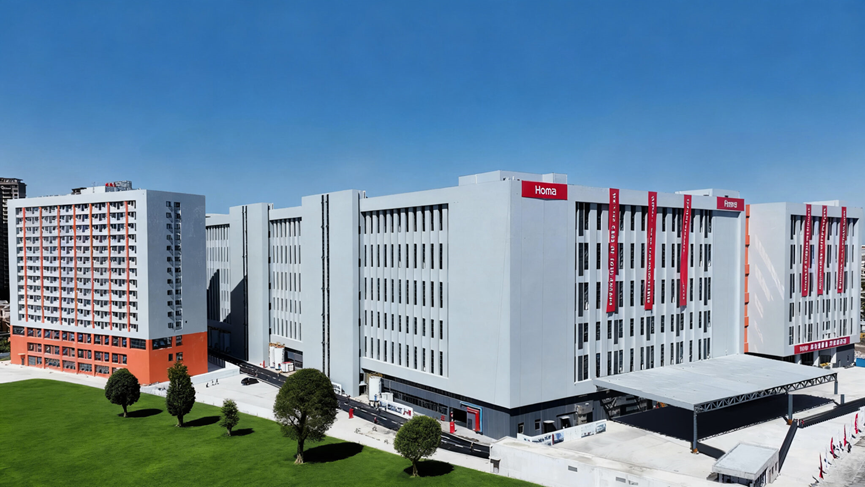
International ODM cooperation is part of the refrigerator manufacturing service provided by Homa Appliances. Its overseas work mainly supports partner-brand programmes, placing the product requirements within a manufacturing relationship rather than a consumer retail transaction. The scope of an individual project remains subject to the requirements agreed for it.
For the refrigerator factory, confirmation provides a reference against which subsequent requests can be compared. That reference needs enough detail to distinguish standard equipment from options and the agreed product from similar alternatives. An appearance match alone cannot establish that every internal fitting or function is identical.
An approval also has a limited meaning. Agreement on one configuration does not automatically settle the quantities, delivery dates or requested modifications of every future order. Keeping those subjects distinct makes the development work reusable without treating a first approval as permanent consent to any later variation.
Distinguish Replenishment from a Revised Product
A recurring order can preserve the product while changing the commercial requirement. A larger quantity or a different replenishment window affects planning, even when the appliance specification remains untouched. A requested component or feature change introduces a separate question about the product itself.
The earlier reference reduces the need to define an unchanged appliance again. Attention can instead fall on what differs this time: the number of units, the requested dates or a proposed alteration. Within a refrigerator factory relationship, those distinctions prevent a routine repeat order from concealing a new development task.
Component arrangements also respond differently to these changes. A quantity increase can require additional parts of the established specification, whereas a revised fitting may require different parts and further confirmation. Neither situation can be understood solely from the fact that the partners have traded before.
Repeated cooperation retains useful knowledge of the product and the working relationship. Each order nevertheless introduces a specific demand on materials and production, which brings delivery into the discussion on its own terms.
Read Processing Speed within the Delivery Plan
Packing starts only when an appliance is ready for that operation. The duration of a packing cycle therefore describes one activity within a longer sequence; an order’s lead time also includes the preparations and other operations required before dispatch.
Time spent resolving an unconfirmed requirement can occur before any appliance reaches a production station. That preparation belongs to the order’s timing even though it is absent from a machine’s operating cycle and from its measured throughput.
A refrigerator factory may quote an operating rate for a particular station, but that rate cannot independently establish a complete delivery window. Material availability, confirmation of changes, the order quantity and production commitments all affect the plan. A fast finishing operation cannot remove work that remains outstanding elsewhere.
The useful delivery discussion identifies the assumptions behind the proposed timing. It distinguishes an established repeat product from unfinished development and separates a local process rate from the period needed to supply the agreed order.
A first programme needs decisions that define the appliance and the partners’ respective roles. Replenishment needs a clear account of what continues unchanged and what differs, while delivery requires a plan based on the work still outstanding. The appropriate cooperation discussion follows that distinction: development choices, repeat quantities and shipment timing are related tasks, each requiring its own specific confirmation at the relevant stage.
