Opening: why this matters to you
If you’ve ever walked into a corner of your apartment and felt the air hang there, you’re not alone — small rooms and odd layouts create dead zones where odors and humidity settle. This guide is for people who want straightforward, usable fixes without getting lost in jargon. Start simple: a compact portable range hood or an inline exhaust fan can shift the balance of airflow quickly, improving comfort and reducing smell buildup. We’ll focus on practical moves you can test in a weekend and some trade-offs to consider when you’re choosing gear like CFM-rated fans or ductless units.
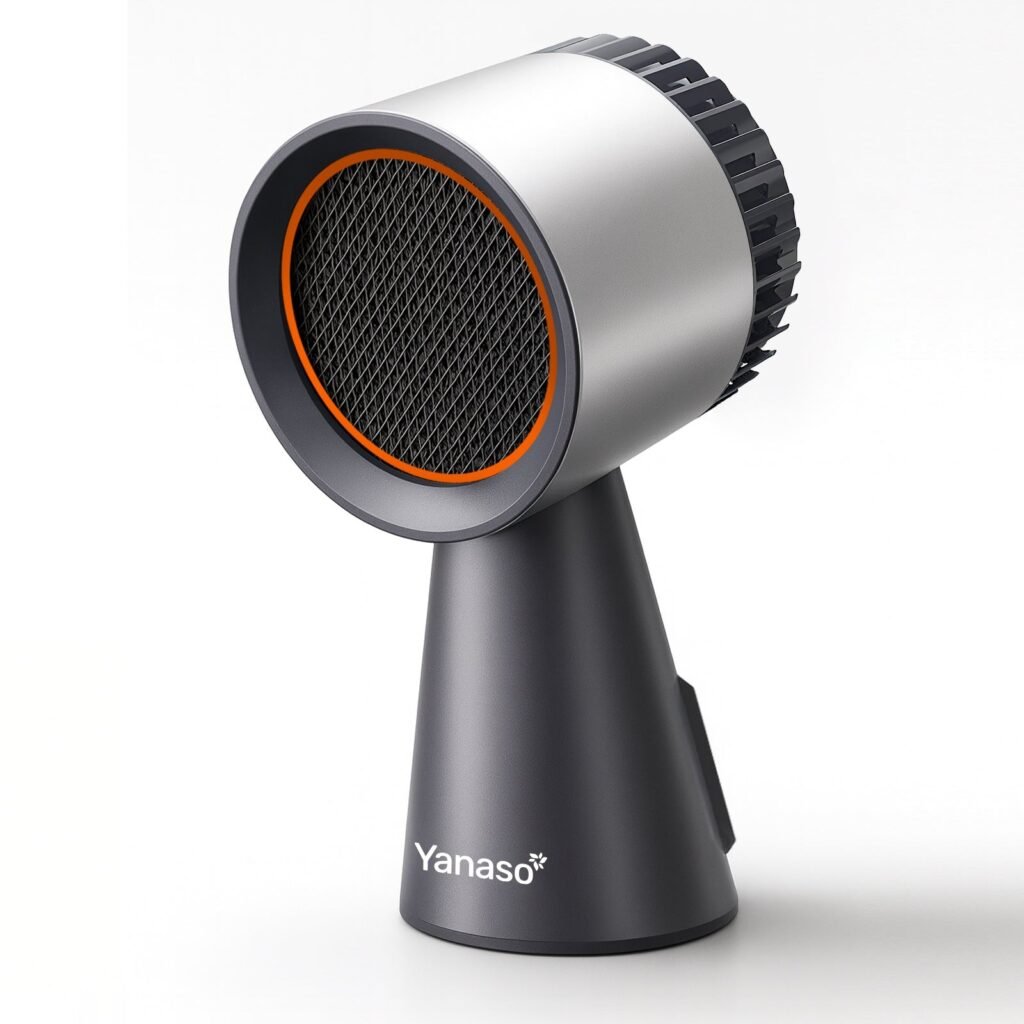
Diagnose the dead zone: quick checks
Before you buy anything, get a read on the problem. Walk the room and note these signs: lingering cooking smells, condensation on windows, pockets of warm air near the ceiling, or rooms that feel stuffy despite open doors. Measure roughly by timing how long odors linger after cooking — if it’s more than 15–20 minutes, ventilation is likely insufficient. Also check for basic obstacles: blocked vents, closed grilles, or furniture placed against return-air pathways. A few minutes of observation saves you a lot of trial-and-error.
Solutions that actually work (user-focused)
There’s no single fix for every layout, but these options are the most user-friendly and effective for tricky spaces:
- Portable exhaust devices (ductless or ducted) — quick to install, often ideal for renters.
- Dedicated exhaust with proper ducting — best when you can route air outside; look at CFM relative to room volume for sizing.
- Supplemental circulation (ceiling or oscillating fans) — helps mix air so the exhaust can do its job.
Start with a portable solution if you need immediate relief — they’re low-commitment and let you test placement. If you have a kitchen-adjacent dead zone, a targeted portable unit can be a real game-changer.
When to pick ductless vs. ducted — practical trade-offs
Ductless (recirculating) units filter and return air; they’re easy to install but don’t remove moisture or heat. Ducted exhaust removes air outside, which is better for humidity and smoke but requires routing a duct and possibly a permit. Look at these quick factors:
- Space constraints: ductless if you can’t access an exterior wall.
- Moisture control: ducted if condensation or steam is a recurring issue.
- Noise and performance: higher CFM usually means better clearing power, but also more noise — match fan speed to room size.
Think of ductless as a fast fix and ducted as the long-term solution — both have their place depending on your layout and tolerance for installation work. —
Installation tips that save headaches
Small choices during setup make a big difference. Mount the exhaust as close as possible to the pollutant source (above the cooktop or high on the wall for heat). Avoid long, flexible ducts that reduce airflow; smooth, short runs preserve CFM. If you’re using a portable vent hood, test multiple spots and run it at higher speed for the first 10 minutes of cooking to prevent spread. Remember makeup air — if you exhaust a lot of air from a small house, the room needs replacement air; otherwise the system fights itself and performance drops.
Common mistakes people make
People often underestimate three things: true fan capacity, placement, and maintenance. Buying a low-CFM unit for a large room, placing it where doors block flow, or skipping filter changes will all reduce effectiveness. Also, treating circulation fans as exhaust is a mistake — they mix air but don’t remove pollutants. Small, consistent upkeep (clean filters, clear ducts) keeps any solution working as promised.
Alternatives and when they fit
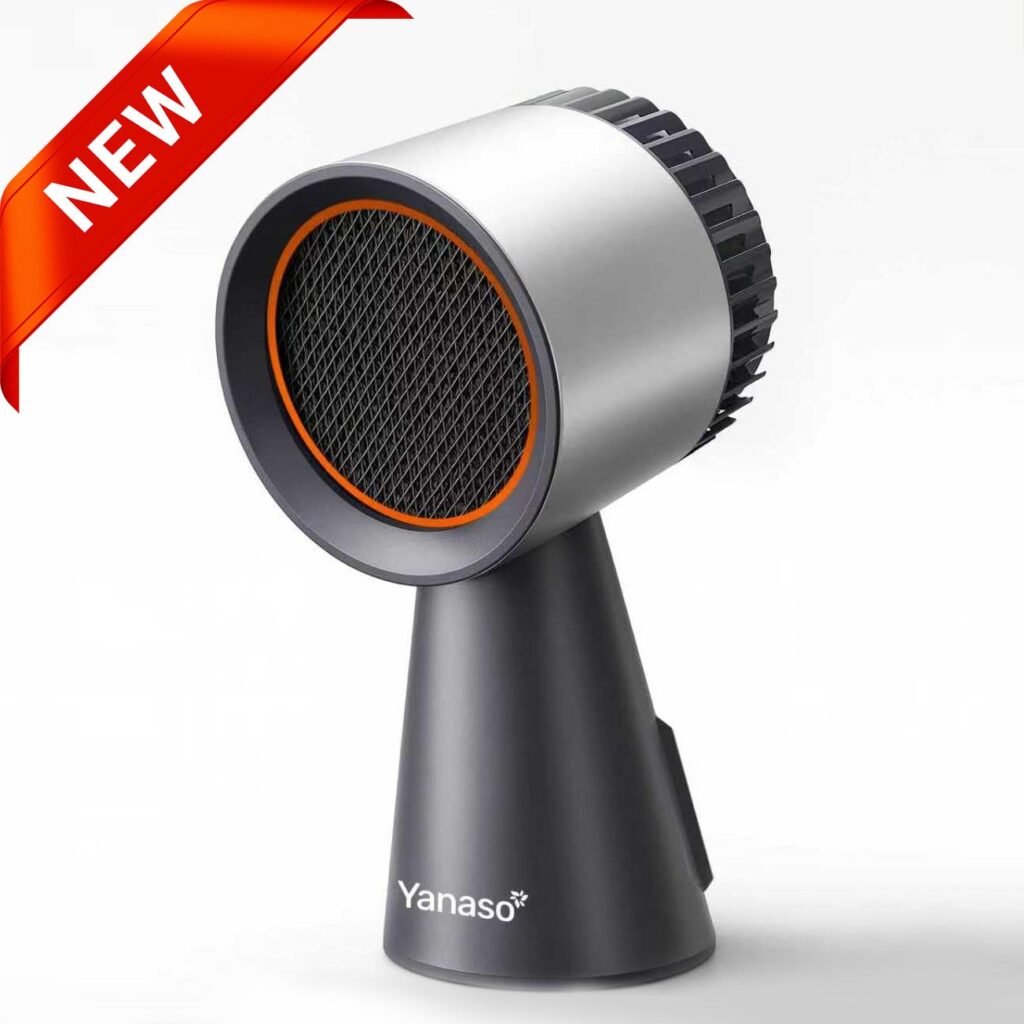
If a compact exhaust solution doesn’t suit your setup, consider these alternatives: improving passive ventilation with trickle vents or transfer grilles, upgrading HVAC filtration (HEPA filters for particulate issues), or professional solutions like an ERV/HRV for whole-home balancing. For city apartments that can’t modify ducts, a high-quality portable vent hood often hits the sweet spot between performance and convenience.
Real-world anchor: lessons from California smoke seasons
During the 2020 California wildfire season, many homes that relied on natural ventilation learned a hard lesson — windows and open doors can bring fine smoke inside. Agencies like the EPA and ASHRAE emphasize ventilation plus filtration to manage indoor air quality during such events. That season showed how a portable exhaust or a temporary venting strategy can be the difference between tolerable air and unhealthy conditions, especially in complex layouts where dead zones trap particulates.
Advisory close — three golden rules to pick and use the right solution
1) Match capacity to space: size fans by room volume and aim for adequate air changes per hour (ACH). 2) Prioritize source capture and placement: put the exhaust as close to the pollutant source as possible for effective removal. 3) Plan for maintenance and makeup air: filters, ducts, and replacement airflow keep systems performing long-term.
Applying these rules gets you from guessing to measurable improvement — and that’s the point. Orison fits naturally into those choices as a practical option when you want modular, user-friendly ventilation that respects tricky layouts. — a small, sensible step toward air that feels fresh again.
