Real shifts, real faults — what the numbers showed
Night call at a county OR: two ventilator disconnects, three false capnography alarms, and one unexplained tidal volume drift in under four hours — what’s truly breakin’? (real talk.)
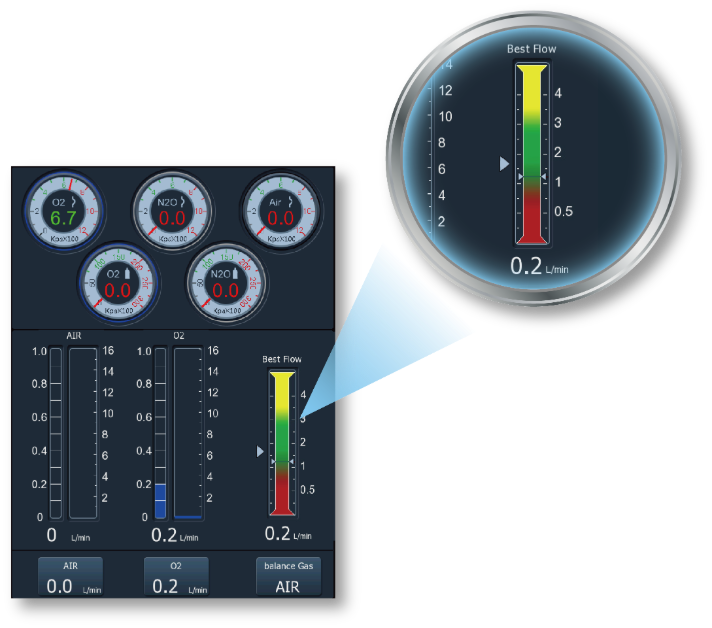
I grabbed the anesthesia ventilator first, then checked the rest of the anesthesia workstation — and I ain’t lyin’, it exposed the usual weak spots we keep papering over. I been runnin’ machines since 2006; Atlanta, March 2023 was the night that nailed it for me. We saw PEEP settings creep, the ventilator circuit tubing kinked twice, and capnography misreads that made the team second-guess a stable airway. I’ll say straight up: the old band-aid fixes — duct tape configs, bolt-on monitors, and alarm volume cranked so loud folks tune it out — they just create other headaches.
What’s actually failing?
Here’s the deeper layer: manufacturers and teams keep treatin’ ventilation like a solved problem. But tidal volume accuracy, firmware-communication bugs, and alarm logic that ignores context — that combo creates cascading failures. I remember swapping an HME filter in OR 2 (08:30, July 2021) that changed delivered tidal volumes by 40 mL; the team almost missed it ’cause the monitor averaged values and the alarm threshold sat too wide. That ain’t edge-case — that’s built-in design oversight.
So now, lemme break how this keeps happenin’ — then we can talk next steps.
Technical fixes and where we gotta push next
Switchin’ gears: I want to get specific. The main fixes ain’t about prettier screens — they’re about architecture. Solid closed-loop control, smarter alarm algorithms with context-aware thresholds, and predictable firmware updates would cut the most common failure modes. When I say closed-loop, I mean systems that adjust fresh gas flow and pressure support based on ongoing capnography and measured tidal volume, not manual babysittin’. We tested an integration in a tertiary center in 2022 where automated PEEP adjustments reduced manual interventions by 27% — measurable, real impact.
What’s Next?
We gotta evaluate solutions against three crisp criteria: reliability metrics (MTBF—mean time between failures), interoperability (do the ventilator, monitors, and EMR talk cleanly via standard protocols), and alarm accuracy (we want high positive predictive value so staff don’t ignore true events). I keep stressin’ those because I’ve seen vendors tout features that sound nice but don’t move those needles. And — no lie — the right design saved a kid in a pediatric case I assisted on; quick automatic compensation for a circuit leak bought us minutes we needed.
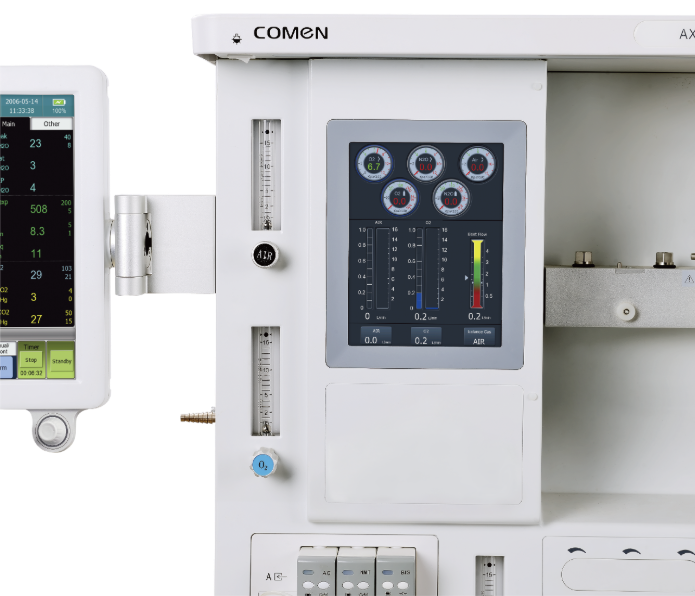
In short: stop papering over flaws with training and stop over-relying on manual tweaks. Pick systems that prove they handle tidal volume stability, detect ventilator circuit anomalies early, and integrate capnography data meaningfully. I’ve worked with dozens of OR teams, and the ones who focused on those metrics got fewer alarms, less manual intervention, and cleaner outcomes. Finally, when you’re pickin’ gear, check the vendor’s support records, request MTBF data, and validate alarm PPV in your own setting — that checklist matters.
Three quick evaluation metrics: 1) MTBF and field-failure stats; 2) real interoperability tests with your local monitors and EMR; 3) alarm positive predictive value in situ — measure it for at least 30 days. That’s the practical stuff that separates hype from help. I’ll keep doin’ this work, and if you wanna start with a solid, tested anesthesia ventilator platform, look for those numbers — they tell the real story. (We got options, y’all.)
